
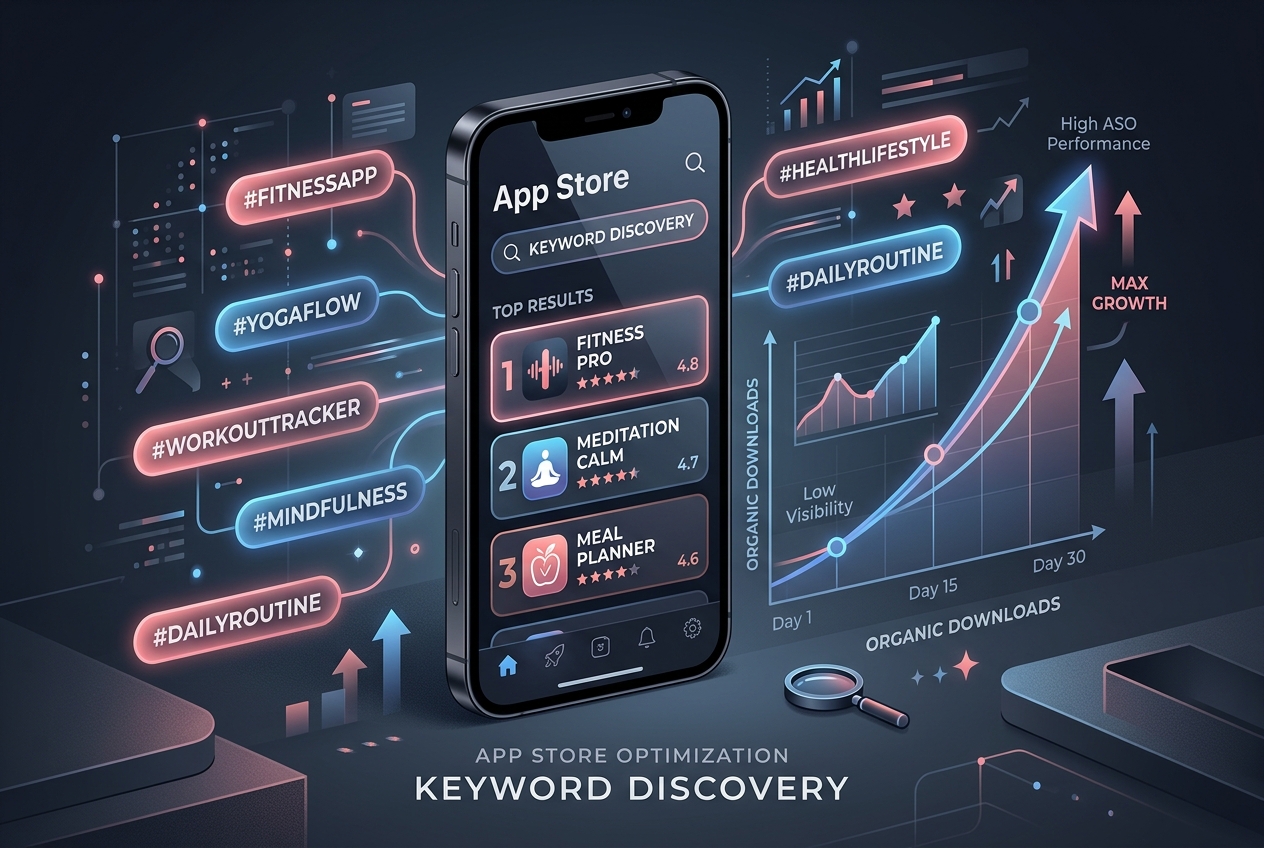
App store localization should adapt the product explanation to how people in a market describe their needs. A technically correct translation can still miss the search intent, tone or context that makes the app relevant.
Choose markets deliberately
Prioritize markets where the product, support and commercial model can serve users well. Translating a listing does not solve a product that lacks the required language or local experience. Make availability and limitations clear.
Review existing demand and user behavior alongside market opportunity. A large population alone is not a sufficient reason to invest in a locale.
Research local meaning
Ask a qualified reviewer to evaluate the words people use for the task, the competitive context and any cultural implications of the creative. Directly translating a popular keyword from another market can produce unnatural or ambiguous copy.
Review screenshots as a narrative. Text length, reading order and the meaning of visual examples may change. Check the actual rendered assets rather than approving only a translation spreadsheet.
Keep the promise consistent
Localized marketing should describe the same real capabilities while adapting the explanation. Avoid a more aggressive claim in one language because it sounds persuasive or because the main team cannot easily inspect it.
Build a glossary for product terms, subscription names and recurring support language. Keep it updated when the app changes.
Evaluate by locale
Record listing changes and measure relevant discovery and conversion in that market. Compare cohorts with appropriate context; different acquisition mixes or seasonal patterns can distort a simple global comparison.
Google Play’s store listing experiment guidance is a useful implementation reference for supported tests. The strategic question remains whether the localized promise attracts people the product can genuinely serve.
Localization works best as a product and growth decision together. It should make the app easier to understand without creating expectations the app cannot fulfill.